


Manufacturing on Demand
Upload your design files now to receive instant pricing, project lead times, and comprehensive DFM (Design for Manufacturability) feedback.
With services ranging from CNC machining and 3D printing to sheet metal fabrication and injection molding, Weup is your one-stop partner for all custom manufacturing needs.
Why Choose Weup?
- Instant Pricing and Lead Times: Get accurate cost and time estimates immediately upon uploading your designs.
- Comprehensive DFM Feedback: Optimize your designs for manufacturability, cost-efficiency, and quality.
Supported File Formats:
STEP | STP | SLDPRT | STL | DXF | IPT | X_T | X_B | 3DXML | CATPART | PRT | SAT | 3MF | JT
4M+ 45,000+ 142 21 90
Parts Produced Businesses Served Unique Materials 3D Printing Technologies Countries
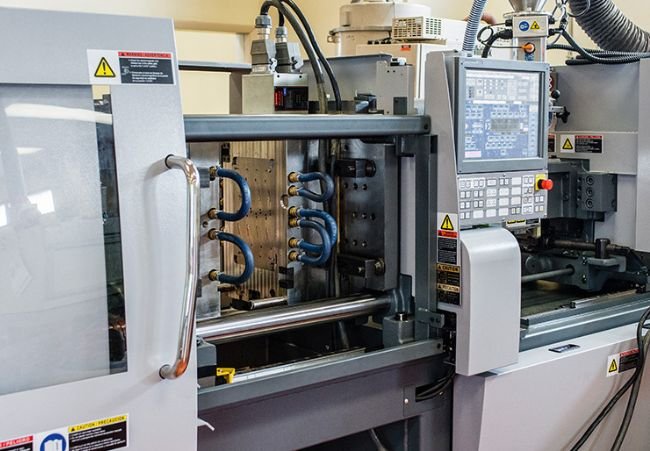
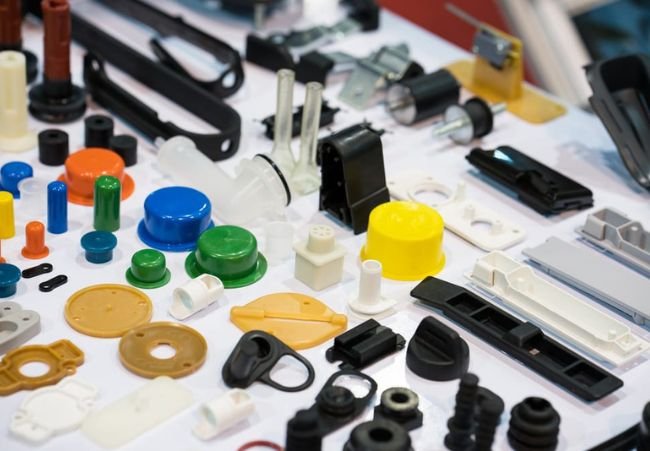
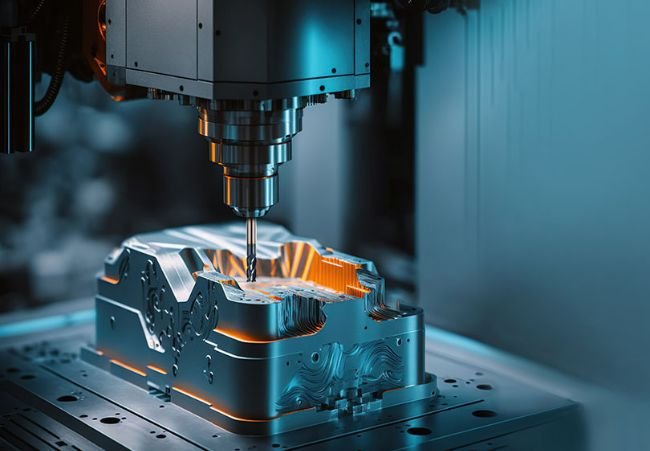
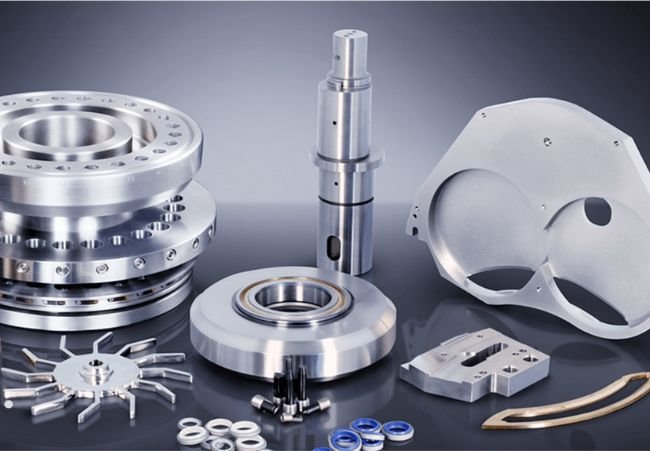
Categories We Manufacturing on Demand
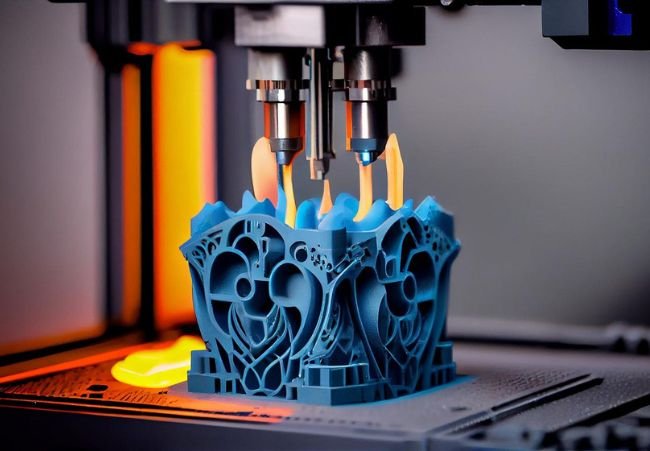
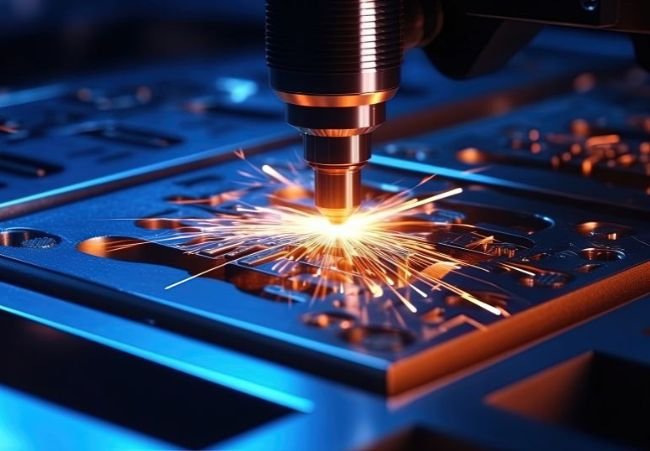
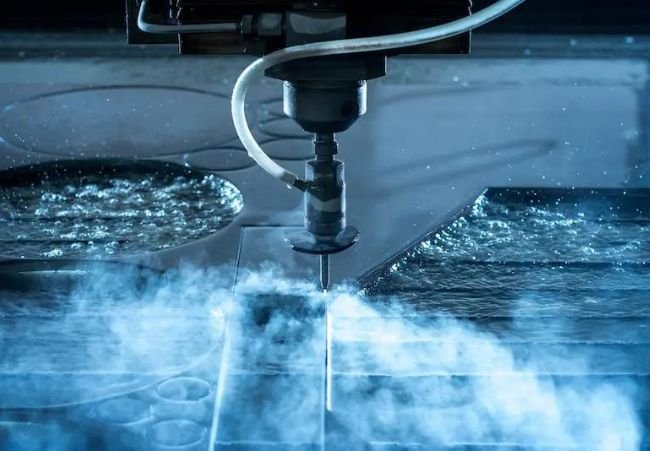
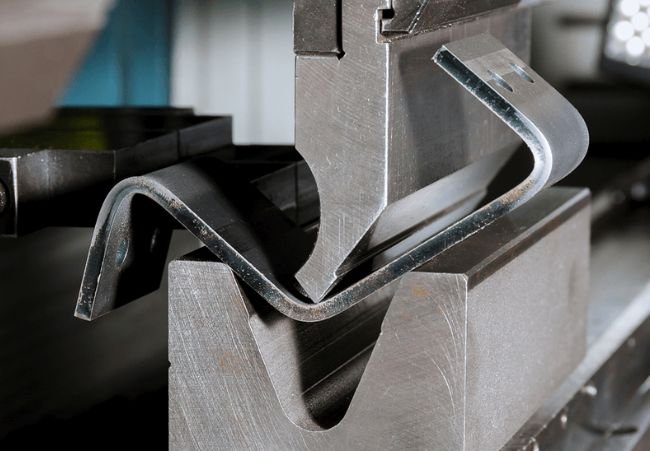
How It Works
3 Simple Steps to Get Your Custom Parts
-
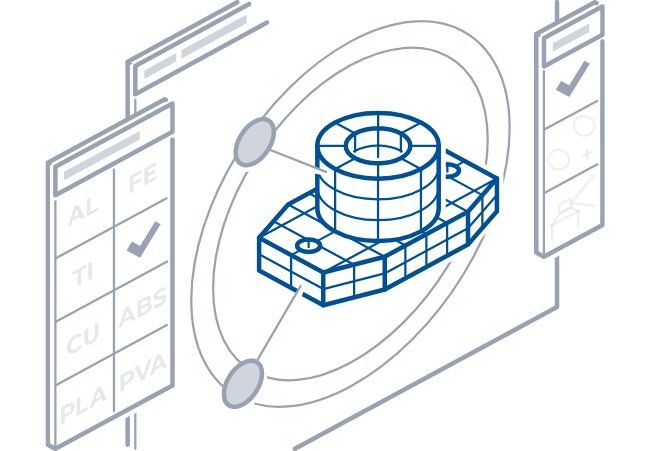 Upload Your Design Files
Start by uploading your 3D models in any of the 35+ supported formats, including STL, STEP, and ZIP. Your files are always secure and confidential.
-
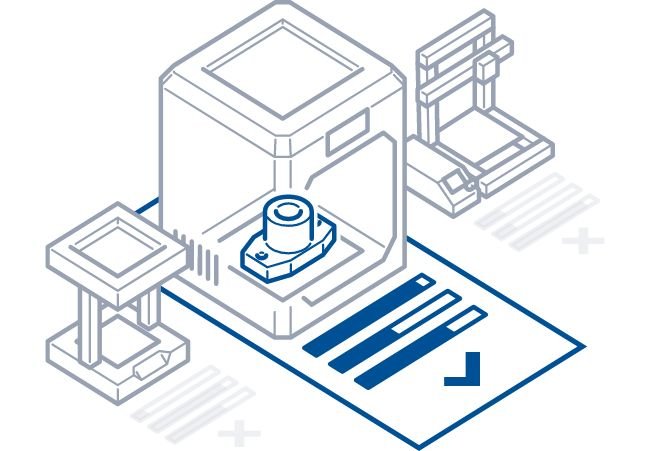 Choose Materials and Finishes
Select from a wide range of materials, finishes, and colors to suit your project. With over 20 manufacturing technologies and 100+ material options, customization is at your fingertips.
-
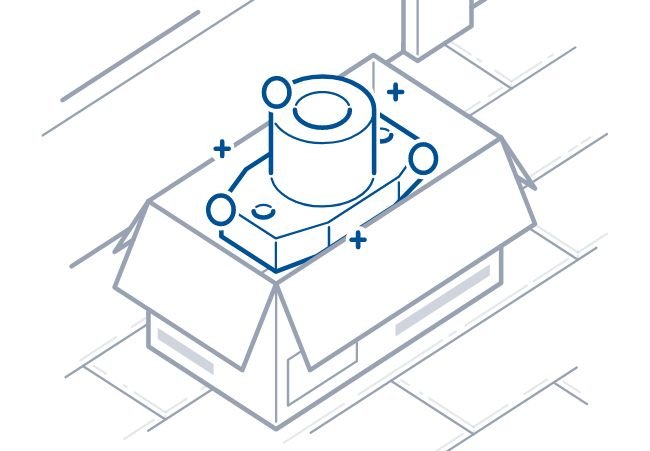 Select Your Manufacturer and Get Your Parts
Pick the best offer from over 150 trusted s worldwide. Enjoy fast, hassle-free delivery of your custom parts.
Boost Your Manufacturing with Weup
Access over 8,000 certified s worldwide. From CNC machining to 3D printing and injection molding, get the expertise you need all in one place.

Get immediate pricing, lead times, and design feedback. Our advanced quoting engine finds the best options for your project, saving you time and money.

Weup is ISO 9001:2015, ISO 13485:2016 and ISO TS6949 certified, guaranteeing top-notch quality and compliance for every part produced.

Whether aerospace, automotive, medical, or electronics, we provide tailored solutions with full support, including certifications and inspections.
Why Choose Weup?
Instant Quoting and Lead Time Insights: Simply upload your design files in formats such as STEP, STL, DXF, and more, to receive immediate pricing and lead time estimates, allowing you to plan your projects efficiently.
Advanced Manufacturing Capabilities: Our platform offers access to multiple manufacturing processes under one roof, including CNC machining, 3D printing, and injection molding, ensuring you have the right technology for every project.
Expert DFM Feedback: Get valuable insights on your designs with our DFM feedback, helping you optimize for cost, quality, and speed.
Global Network of Manufacturers: With a network of vetted s around the world, Weup ensures that you receive high-quality parts, fast turnarounds, and scalable production solutions.
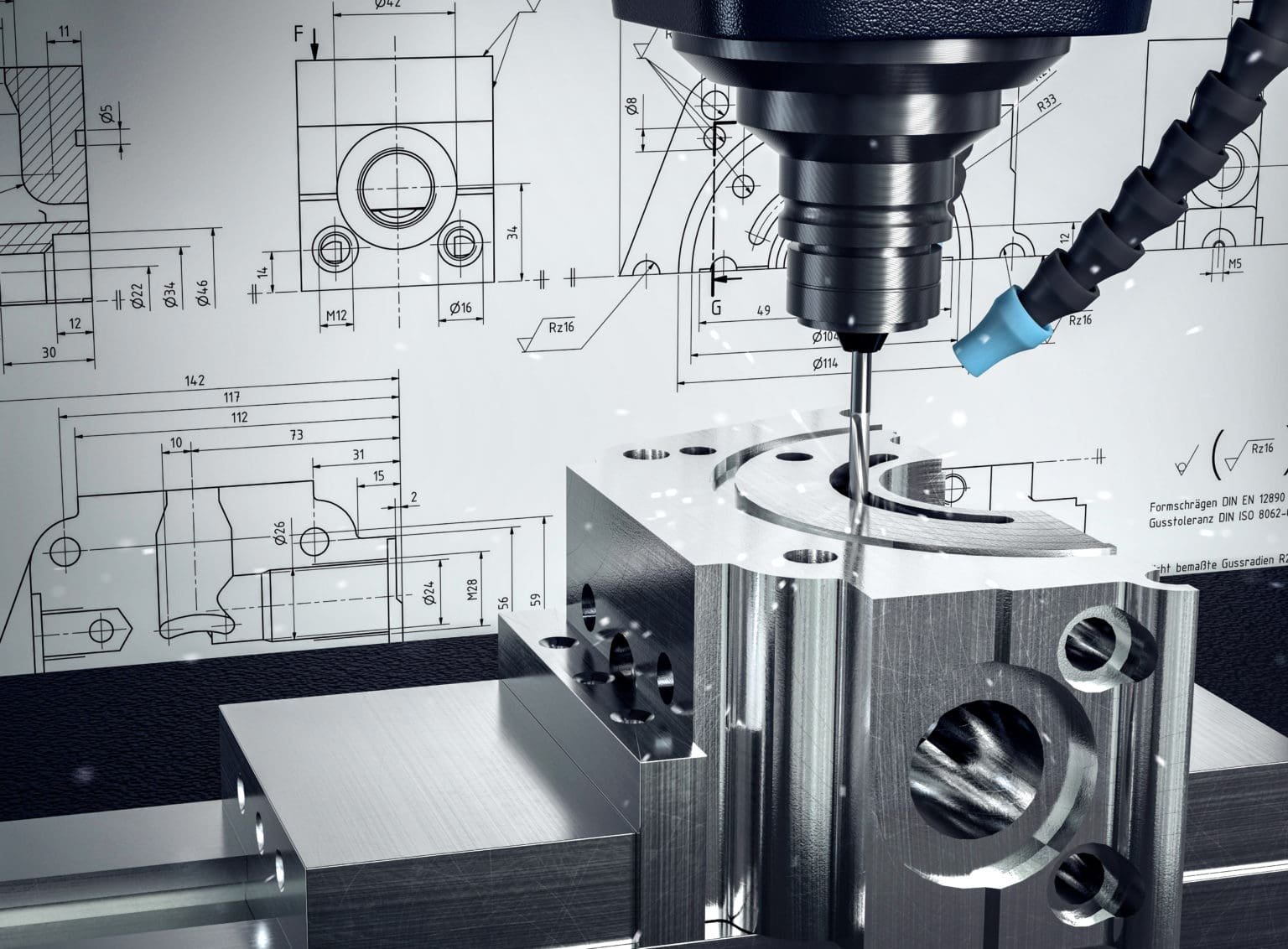

Your Trusted Partner for Custom-Made Parts
At Weup, your needs are our top priority. Our team of experts is dedicated to transforming your ideas into high-quality, industrial-grade components. Whether you require a single prototype or large-scale production, we are here to deliver exceptional parts that meet your exact specifications and budget.
Whether you need a demo-ready prototype or fully functional parts for end-use, Weup is here to make sure you get exactly what you need, when you need it.
Bring Your Ideas to Life with Weup
Weup partners with top design experts to provide you with easy and accessible design services. Whether you’re starting from scratch or need assistance with an existing project, our team is ready to help you turn your ideas into reality. From initial concept to detailed design, we ensure your project meets your exact needs and standards.
No matter the complexity of your design, we’re here to assist you every step of the way. Our collaborative approach guarantees that you receive the support and expertise needed to bring your vision to life.
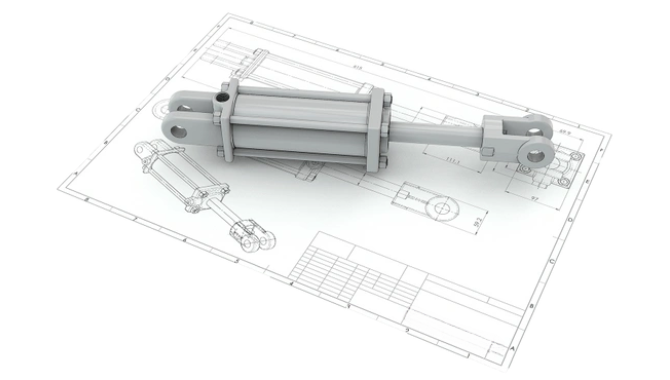
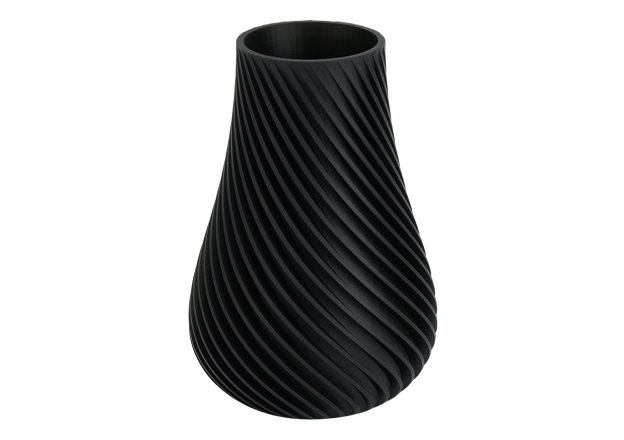
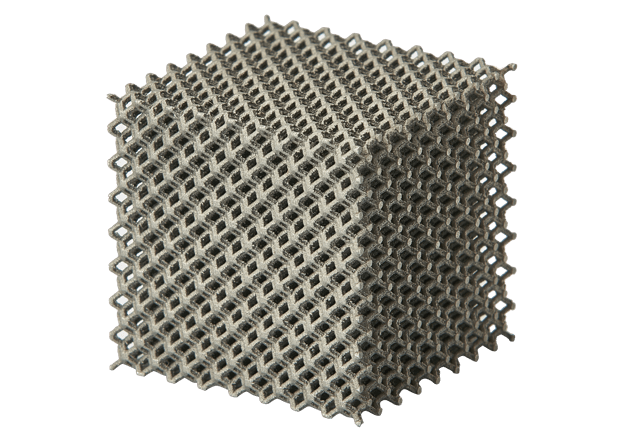
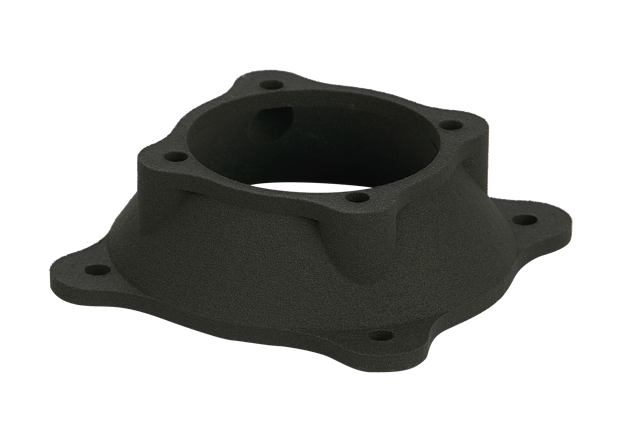
3D printed and CNC machined parts
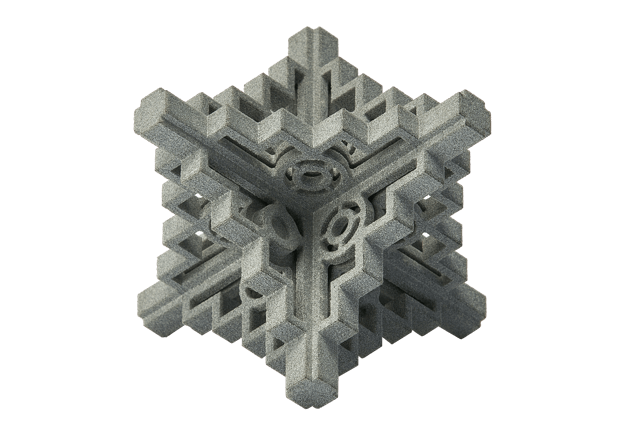



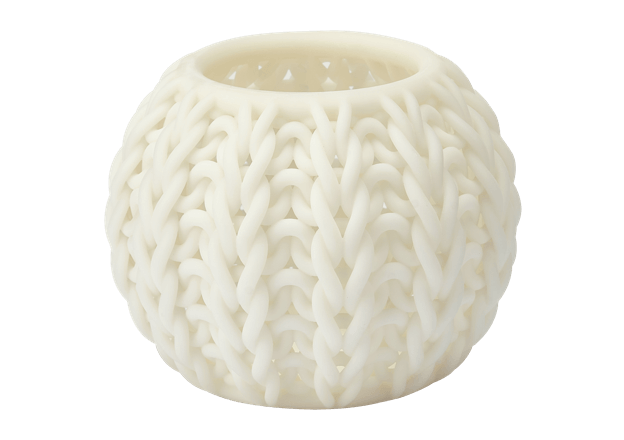
Custom Manufacturing Service What should be paid attention to
In order to prepare custom parts, customers need to collect and provide some key information to ensure a smooth and efficient production process. Here are the things you need to know:
3D Models or CAD Files: Files in formats like STEP, STL, OBJ, DXF, or IGES, which provide the exact dimensions and details of the accessory.
Technical Drawings: Detailed drawings that include dimensions, tolerances, and any specific features.
Design Requirements: Clear specifications about the design, including any special requirements like holes, threads, or engravings.
Material Type: Choose from materials like plastics, metals, composites, etc., depending on the desired properties (e.g., durability, flexibility, weight).
Material Specifications: Specific details like grade, color, texture, or any material certifications required (e.g., FDA approved, RoHS compliant).
Surface Finish: Indicate if the accessory needs polishing, anodizing, painting, or any specific texture.
Color: Specify any color requirements, including color codes if precise matching is needed.
Order Quantity: The total number of pieces required. Indicate if this is a prototype order or for full-scale production.
Batch Size: Information on whether the production will be done in one batch or over several smaller runs.
Performance Specifications: Details about how the accessory needs to perform, such as load-bearing capacity, temperature resistance, or flexibility.
Use Case or Application: Information on how and where the accessory will be used, which can influence material and design choices.
Tolerance Levels: Specify the acceptable variation in dimensions, which is crucial for parts that need to fit precisely with other components.
Critical Dimensions: Highlight any dimensions that are particularly critical to the functionality of the accessory.
Industry Standards: Any standards the product must adhere to (e.g., ISO, ASTM, CE, UL).
Regulatory Compliance: Specific regulations related to the industry or geographical location (e.g., FDA for medical devices, REACH for chemicals).
Desired Delivery Date: When the customer needs the finished accessories.
Lead Time Flexibility: Whether there’s flexibility in the timeline to optimize for cost or production efficiency.
Budget Limits: Any budget constraints that could impact material choices, production methods, or volume.
Cost-Benefit Preferences: Indicate if there’s a preference for balancing cost with speed, quality, or quantity.
Packaging Requirements: Details about how the accessories should be packed, especially if there are any special handling requirements.
Shipping Information: Preferred shipping methods, delivery locations, and any instructions for international shipments (customs documentation, etc.).
Contact Information: Primary contact for project updates and approvals.
Preferred Communication Method: Email, phone, or a project management platform for ongoing communication.